Inside Dentistry (ID): From a biomaterials perspective, what do you see as the most significant advances in adhesive dentistry over the past decade, and why do they matter clinically?
Nathaniel Lawson, DMD, PhD: I tend to think of dentistry as existing in two somewhat different worlds. When I lecture and interact with practicing dentists across the country, representing a wide range of demographics and experience levels, many are practicing in a way that is similar to how I was trained when I graduated about 15 years ago. This often involves primarily non-adhesively bonded zirconia crowns and restorations placed using single-bottle bonding agents.
In contrast, in my online interactions—particularly on platforms like Facebook and Instagram—I see dentists from around the world who have more fully embraced adhesive or biomimetic dentistry. These clinicians routinely bond ceramic restorations and rely on two-bottle bonding agents, strict isolation, and protocols that are often more time-intensive.
Both approaches can be successful. Traditional dentistry allows procedures to be completed in a more time-efficient manner, while adhesive dentistry prioritizes tooth preservation and aims for greater longevity of adhesive restorations, sometimes at the expense of efficiency.
I think the most significant advances in adhesive dentistry within traditional practice have been the development of single-bottle bonding agents that incorporate phosphorus-based functional groups such as MDP, in other words what we now commonly refer to as universal adhesives. At the same time, the progress of adhesive dentistry has not been driven solely by new materials. Much of the advancement has come from the refinement of clinical protocols, shaped and supported by clinical experience as well as laboratory and clinical research, which together have guided how these materials are used more predictably in practice.
ID: Despite major improvements in adhesive systems, bond failure still occurs. What do you consider the most common biological or technique-related factors that compromise adhesion in daily practice?
Lawson: Bond failure in daily practice is most often related to challenges with isolation or technique sensitivity. From a technique standpoint, common issues include over-etching dentin, applying the adhesive too passively, inadequate evaporation of the adhesive, and insufficient curing. Each of these factors can negatively affect the quality of the adhesive interface and ultimately compromise bond durability.
ID: How do contemporary universal adhesives compare to traditional multi-step systems in terms of durability, and what does the current evidence suggest about their long-term performance?
Lawson: Two-bottle gold standard adhesives have 13-year clinical trials with nearly 90% retention. The longest-term clinical data of a universal adhesive that I am aware of is a clinical trial we conducted at UAB with a 5-year follow and about 90% retention. So I am not sure that we know what their long-term performance will be. My guess is that it won’t be quite as good as 2-bottle systems, but hopefully better than previous single-bottle systems.
ID: When a new adhesive material is introduced, what scientific criteria or performance indicators do you prioritize when determining its potential clinical value?
Lawson: The first data that typically become available are bond strength results, and I focus on bond strength to both etched and unetched enamel and dentin after thermal aging. Although few companies conduct clinical trials, when those data are available I am interested in the initial rates of postoperative sensitivity, ideally compared with an existing product that has demonstrated clinical success. Beyond that, I want to see retention rates reported at a minimum of three years to better assess the material’s clinical value.
ID: Moisture control remains a challenge for many clinicians. What are the key principles dentists should understand about dentin wetness and hybrid layer formation to optimize bond strength?
Lawson: Although it’s still ideal to bond to moist dentin, my understanding is that many adhesives now contain some water in them to help re-wet the dentin if it’s desiccated after rinsing off etchant. That means it’s important to evaporate this solvent prior to bonding. Or, you can be like me and self-etch dentin so you don’t need to worry about desiccating collagen.
ID: How does the choice of adhesive strategy influence restorative outcomes in challenging clinical situations, such as deep dentin,
sclerotic dentin, or
indirect restorations?
Lawson: In general, I use a selective etch approach, in which enamel is etched while dentin is bonded using a self-etch strategy. This is because etching improves bond strength to enamel, while avoiding etching on dentin has been shown in laboratory testing to produce more reliable results. When working with sclerotic dentin, I prefer to mechanically roughen the surface before bonding, using either sandblasting or a diamond bur. If mechanical roughening is not feasible, then I would proceed with etching the surface.
ID: In your experience as an educator, what concepts about adhesion are most commonly misunderstood by dental students and clinicians, and how should they be reframed for better clinical
decision-making?
Lawson: In my experience, one of the most commonly misunderstood aspects of adhesion is what is actually happening during seemingly simple clinical steps. For example, when an adhesive is air-dried, the goal is not merely to thin the adhesive layer but, more importantly, to adequately evaporate the solvent; failure to do so can compromise polymerization and bond performance. Similarly, the curing step is sometimes treated as routine, when in fact effective light curing of the adhesive is critical to its success. Clinicians should be intentional during this step, ensuring proper light positioning, exposure time, and visualization of the adhesive layer. Reframing these actions as active, outcome-critical processes—rather than passive or automatic steps—can lead to better clinical decision-making and more reliable adhesive outcomes.
ID: Looking ahead, what emerging materials or research directions do you believe will have the greatest impact on the future of adhesive dentistry?
Lawson: I think saliva contamination during bonding and marginal deterioration from bacterial acid are two reasons composites fail. I don’t know of any work to address the first issue. There are plenty of companies working on the second with studies showing efficacy in the laboratory. Showing clinical effects of an anti-microbial or remineralizing composite would be a huge benefit to clinical dentistry.
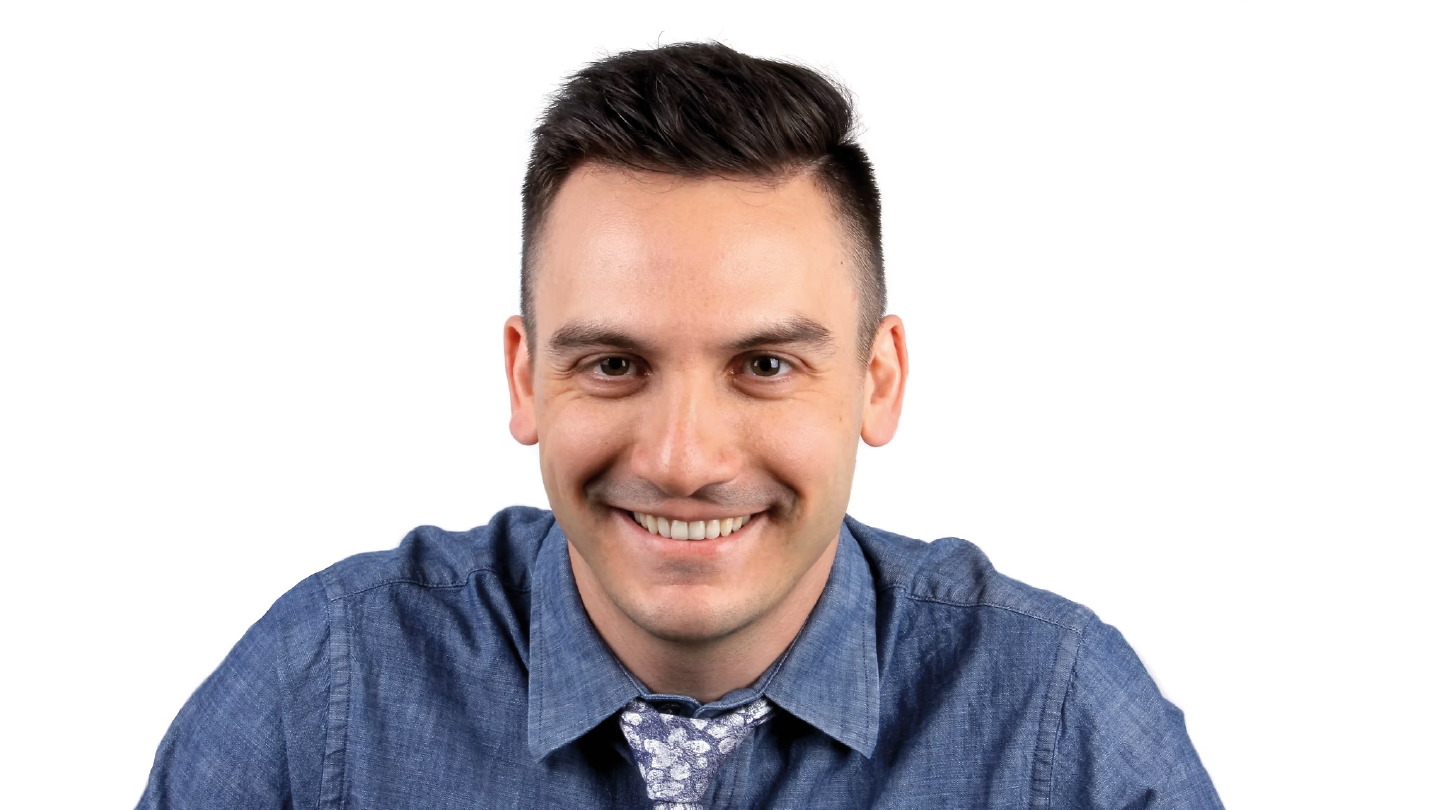
Nathaniel Lawson, DMD, PhD, is an associate professor and the director of the Division of Biomaterials at the University of Alabama at Birmingham School of Dentistry. He graduated from UAB School of Dentistry in 2011 and obtained his PhD in biomedical engineering in 2012. He has served as an investigator on over 75 research grants and has published over 200 articles, abstracts, book chapters, and periodicals related to dental materials. His research interests are the mechanical, optical, and biologic properties of dental materials and clinical evaluation of new dental materials. He has lectured nationally and internationally on the subject of dental materials. He also works as a general dentist in the UAB Faculty Practice.
