Dentistry has never lacked intelligence, talent, or technical skill. Today’s dentists are highly trained, clinically capable, and deeply committed to patient care. Yet despite this, many practices struggle with the same persistent challenges: rising overhead, inconsistent case acceptance, staff turnover, scheduling inefficiencies, marketing that underperforms, and a constant sense of reacting instead of leading. These problems are rarely clinical in nature. They are strategies and systems problems.
Dentists are taught how to prepare teeth, place restorations, and manage complex cases—but they are rarely taught how to design a business, engineer workflows, communicate value effectively, or build a practice that supports long-term professional and personal success. The result is a profession rich in skill but fragmented in execution.
Knowledge isn’t the limiting factor. Most dentists already know what they should be doing:
- Improve communication with patients.
- Increase efficiency and reduce waste.
- Leverage technology strategically.
- Create better systems for team accountability.
- Be more intentional with time, finances, and goals.
Yet knowing and doing are not the same. Continuing education has traditionally focused on information delivery—lectures, weekend courses, and isolated skill development. While valuable, this model often stops short of producing lasting behavioral change. Dentists return to their practices inspired, but without the structure, support, or accountability required to translate ideas into measurable results.
The issue is not a lack of effort or motivation. It is a lack of integration.
The Dental Practice as an Operating System
High-performing practices tend to share a common trait: they function as intentional systems, not collections of habits. A systems-based practice views every component—clinical care, scheduling, communication, staffing, marketing, finances, and technology—as interconnected. Decisions are made deliberately, not reactively. Outcomes are designed, not hoped for. This perspective reframes practice management in important ways:
- Productivity is defined by clarity and flow, not speed.
- Growth is measured by sustainability, not volume.
- Technology is adopted to reduce friction, not add complexity.
- The patient experience is engineered, not left to chance.
When systems are aligned, dentistry becomes more predictable, scalable, and profitable—without requiring more hours, more stress, or more compromise.
Rethinking Scale and Efficiency
One of the most persistent assumptions in dentistry is that success requires seeing more patients, running multiple operatories, or constantly expanding. However, increasing numbers of practices are challenging this belief by focusing on precision instead of volume. Treating fewer patients with greater intention can lead to:
- Improved communication and trust.
- Higher-quality clinical outcomes.
- Stronger case acceptance.
- Reduced overhead and burnout.
- A more controlled and focused work environment.
Efficiency, in this context, is not about doing more—it is about removing friction. Eliminating unnecessary handoffs, simplifying workflows, and designing processes that support both the dentist and the patient can dramatically improve performance without increasing workload.
Technology as a Force Multiplier— Not a Distraction
Technology plays a critical role in modern practice management, but only when implemented strategically. Too often, practices invest in tools without integrating them into a cohesive system, resulting in fragmented workflows and underutilized resources. When used correctly, technology can:
- Reduce administrative burden.
- Improve communication and documentation.
- Enhance patient understanding and engagement.
- Support better scheduling and time management.
- Provide clearer data for decision-making.
The key is not adopting more technology, but adopting the right technology with intention, supported by training, protocols, and accountability.
Why Education Must Extend Beyond the Lecture
One of the greatest missed opportunities in dentistry lies in how continuing education is structured. Traditional CE often ends when the course ends. Dentists are left to independently implement what they learned—if time, energy, and clarity allow. Unsurprisingly, many initiatives stall once real-world pressures return. A more effective model treats education as a process, not an event.
This approach includes:
- Pre-course preparation: Dentists engage with concepts, frameworks, and reflective exercises before attending, creating alignment and readiness.
- Live immersion: Clinical, business, and communication principles are delivered with context, relevance, and practical application.
- Post-course reinforcement: Continued access to guidance, discussion, and accountability for weeks or months afterward ensures ideas are translated into action.
This structure respects the reality of practice ownership and acknowledges that meaningful change requires time, repetition, and support.
Accountability: The Missing Ingredient
Dentistry is filled with capable professionals who operate in isolation. Without accountability, even the best strategies lose momentum.
Structured accountability—whether through peer discussion, facilitated review, or ongoing check-ins—dramatically increases the likelihood of implementation. It shifts learning from passive consumption to active execution.
When dentists know they will revisit decisions, report progress, and refine systems over time, behavior changes. Goals become commitments. Ideas become habits.
Practice Management Is Personal Management
A critical but often overlooked truth is that practice performance mirrors personal discipline. Disorganized schedules, unclear priorities, and reactive decision-making do not stop at the office door—they follow dentists home. Conversely, systems that create clarity and control within the practice often spill over into improved personal well-being. Effective practice management supports:
- Better use of time.
- Reduced mental fatigue.
- Clearer goal-setting.
- Increased professional satisfaction.
- Long-term sustainability.
- Dentistry should be demanding—but it should not be chaotic.
Designing Outcomes, Not Just Practices
The most successful dentists do not simply build practices; they design outcomes. They define:
- What kind of dentistry they want to practice (strategy).
- How they want to spend their time (systems).
- What success looks like financially and personally (mindset).
- How their business should support their life—not consume it (goals).
From there, systems are built backward to support those outcomes. This intentionality separates practices that feel constantly behind from those that feel controlled, purposeful, and scalable.
A Shift That’s Already Underway
Dentistry is evolving. Market pressures, patient expectations, and technological advances are forcing change. The traditional model of contracting with insurance companies is dying as reimbursement has been reduced to peanuts. Dentists are often trying to perform every aspect of dentistry instead of using specialists in order to be profitable. Many dentists will continue to struggle. The dentists who thrive will not necessarily be the busiest or the most aggressive—they will be the most strategic.
They will:
- Need more from education.
- Implement new strategies for success.
- Build enhanced systems instead of relying on effort.
- Use technology with intention.
- Prioritize communication and experience.
- Measure success by sustainability, not exhaustion.
The future of dentistry belongs to those willing to move beyond fragmented solutions and embrace a cohesive operating system for their practice—and their life. The question is no longer whether dentistry will change. It is whether dentists will lead that change—or be forced to react to it.
ABOUT THE AUTHOR
Todd C. Snyder, DDS, is a cosmetic and restorative dentist practicing in Laguna Niguel, California, and Las Vegas, Nevada. A graduate of the UCLA School of Dentistry and the F.A.C.E. institute, he co-directed UCLA’s first two-year postgraduate program in Aesthetic and Cosmetic Dentistry and became the 77th Accredited Fellow of the American Academy of Cosmetic Dentistry. Dr. Snyder is an author of The Weekly War, speaker, patent holder, founder of LEGION, and host of the podcast Delusional: Winning the Weekly War of Dentistry, where he educates dentists worldwide on clinical and practice development topics.
Figures and Images
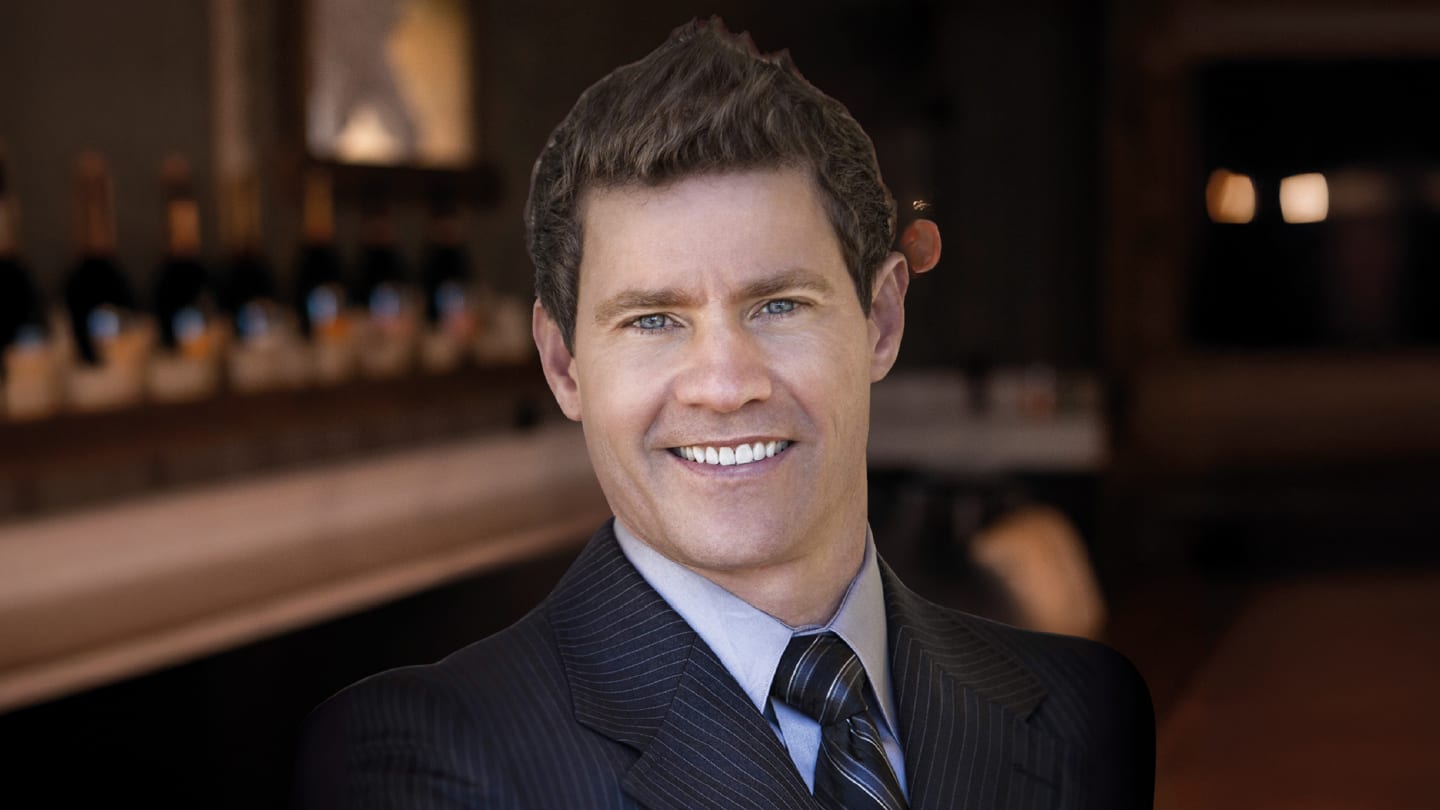
Todd C. Snyder, DDS
