Utilization of vibration as an aid to improving physical health is not a new concept. NASA-funded scientists suggested that astronauts might prevent bone loss by standing on a lightly vibrating plate for 10 to 20 minutes daily. Although those vibrations are subtle, they had a profound effect on bone loss. Lack of stimulation or disuse alone reduces bone formation rates (-92%). They reported that disuse interrupted by 10 minutes per day of low-level mechanical intervention normalized bone formation rates to values seen in age-matched controls.1 This indicates that the use of a noninvasive, extremely low-level stimulus may provide an effective biomechanical intervention for bone loss.
Usage of low-magnitude high-frequency vibration (LMHFV) in medicine has been well documented. The first article to discuss use of high-frequency peripheral stimuli was published in 1968, discussing low and high frequency vibration related to cortical cells.2 Yet it was not until 2001 that a correlation between low magnitude high frequency mechanical stimuli and its effects on bone was published, reporting an 11% increase in callus formation in the stimulated group.3 Another study in 2001 showed that the density of the spongy trabecular bone in the proximal femur significantly increased by 34.2% compared to controls when very-low-magnitude, high-frequency vibration was utilized once daily for 20 minutes.4 Further, Rubin reported that LMHFV stimuli was capable of augmenting bone mass and morphology, thereby enhancing both its mass and integrity. Those mechanical signals were found to double bone formation rates, while inhibiting disuse osteoporosis and increasing the strength of trabecular bone by 25%.5 He also demonstrated in another study in 2002 that extremely low-level mechanical stimuli (LMHFV) improved both the quantity and the quality of trabecular bone, which may serve as an effective intervention for osteoporosis.6 Auxiliary studies showed that utilization of LMHFV prevented decreases in bone mineral density (BMD).7,8
A 2006 study reported an increase in cancellous bone volume, trabecular thickness, and enhanced bone stiffness and strength when LMHFV was utilized over a 1-year period.9 Further evidence in 2007 presented that stimulus led to improved quantity and quality of trabecular bone, resulting in significantly greater bone volume and density, along with reduced trabecular spacing, indicating its benefits for osseous tissue.10,11 Mechanical properties of the bone increased as a result of the stimulation from LMHFV.12 Short daily periods of LMHFV daily have been reported to inhibit trabecular bone resorption, maintaining bone formation levels and preserving osseous matrix quality.13 Bone is a dynamic structure, with resorption (osteoclastic activity) and deposition (osteoblastic activity) normally in balance. However, many factors can cause disequilibrium, where greater osteoclast activity leads to loss of bone mass and decrease in its density. This becomes more critical in treating sites that have undergone osseous related surgery. LMHFV mechanical stimuli in healing osseous sites significantly increased its healing capacity, shifting the dynamics to osteoblastic activity and improving the bones mass and density.14 Osteocytes are able to sense LMHFV and respond by inhibiting osteoclast activity, thus shifting the dynamics to bone formation.15 Improvements in those osseous structures appear to be associated with the promotion of endochondral ossification and an increase in the rate of cell proliferation and hard tissue synthesis.16 These effects are also reported in alveolar bone where the use of LMHFV significantly increased alveolar bone formation and were not limited to orthopedic applications.17
Applications in Dental Treatment
With a range of vibration frequencies proven to stimulate growth factors, superior results in stimulating osteoblast and fibroblast cell proliferation have been reported with high frequency vibration than were found with the lower frequency.18 Thus, the maximum osteostimulatory benefit will be found with use of LMHFV. This was observed with regard to improving tooth mobility, improved graft healing, and increasing bone density around implants, whether during the integration phase of treatment or as part of treatment for peri-implantitis. Higher vibration magnitudes are required with the use of low-frequency to stimulate a positive peri-implant bone response, compared with high-frequency vibration. But enhanced osseointegration requires a sustained period of vibration usage to improve the density of the bone associated with the implant.19 This also applies to usage with grafted sites and mobile teeth, with results requiring sustained usage over several months to achieve the desired results. The bone healing response at the bone-implant interface is negatively influenced by osteoporotic bone conditions and lower density bone surrounding the implant, mainly at the trabecular bone level.20
This becomes more problematic in those patients who have been administered bisphosphonates in their past or are currently being prescribed these drugs. The response to implant placement is compromised in osteoporotic bone conditions, particularly at the trabecular bone level. LMHFV may exert a positive effect on implant osseointegration in this specific bone micro-environment. However, cortical bone seems to be less sensitive to LMHFV influences. This may have applications in extraction situations in patients who are on bisphosphonate drugs when no implant is planned to aid in site healing and in preventing frequently associated osteonecrosis. LMHFV is used to accelerate tooth movement and improve the bone housing those teeth in the retention phase. Its applications have extended to other areas of dentistry, such as periodontics.
Periodontal disease affects the teeth, bone, and periodontal ligament (PDL), leading to decreases in bone density of the maxilla and mandible which can cause tooth mobility or challenges to implant placement that may necessitate grafting. LMHFV has demonstrated the ability to increase bone density, which stimulates growth factors to increase osteoblastic activity and angiogenesis. This has been shown to accelerate graft conversion to host bone to allow earlier implant placement. Utilization with teeth presenting with mobility (grade I and I+) following elimination of contributory occlusal factors leads to improvement in bone density with a decrease of the width of the PDL space with a decrease of the tooth’s mobility by stimulation of PDL fibroblasts. LMHFV is currently the only method that has demonstrated an ability to improve tooth mobility yielding a decrease in the PDL width and increase in bone density surrounding the tooth in question.
When utilized at implant placement, whether as a delayed or immediate load protocol, an increase in the bone-implant interface density yields higher quality bone to support the implant and improve load handling under function. This also is an adjunct treatment of peri-implantitis, improving bone density, which will improve load handling and stabilize the bone level and potentially increase the bone level around the implant.
Healthy bone has good circulation to maintain a balance between the osteoclastic and osteoblastic activity, thus maintaining mineralization and its density. Bone is a dynamic material. When stimulated within physiological limits it maintains volume and density. If bone stimulation falls below physiological limits, atrophy occurs, leading to a decrease in both bone density and volume. Stimulation exceeding those physical limits will lead to bone loss, which may be related to occlusion or decreased osseous support. The biological environment for osteogenic potential is influenced by several factors, including blood supply,21 osseous-forming cells and growth,22 as well as the mechanical environment at the affected site.23 These have been observed as the key determinants for the enhancement of healing of a fracture.24,25 Additionally, proper loading conditions have been shown to be crucial for bone repair and remodeling.26,27 LMHFV stimulates growth factors, including BMP2, PDGFa, and TGF-β1, and increases proliferation of osteoblasts and periodontal ligament cells.28,29 Additionally, there is evidence that LMHFV regulates gene expression enhancing callus formation, mineralization, and remodeling of bone.30 Thereby bone remodeling is enhanced and accelerated.31,32
Tooth Mobility
Mobility in natural teeth may be related to occlusal factors such as off-axis loading or higher load than can be accommodated within the available osseous support of the tooth.33 This leads to a widening of the periodontal ligament and crestal bone loss, accelerating the decrease in load handling the tooth can manage.34 Bone density plays a key role in the tooth’s ability to manage loads. The higher the density, the better the load is distributed through the PDL to the surrounding alveolar bone, contributing to greater periodontal stability. Age also has a contributory factor with regard to BMD, and it is well documented that as age increases BMD decreases, leading to osteoporosis and osteopenia.35
These changes are also observed in the maxilla and mandible. They are reported to a higher frequency and degree in females than males, which correlates with their higher incidence of osteoporosis changes than observed in males.36 Adjustment to the occlusion to eliminate off-axis contacts with the opposing teeth allows for better direction of loading. However, this may not eliminate the mobility that was present, and improving the bone density surrounding the tooth will aid in preservation of the bone level and support for the tooth.
Mechanical stimulation contributes to alveolar bone health and prevents alveolar bone loss, accelerates bone healing, and improves the quality and quantity of alveolar bone under both physiological and pathological conditions.37 When applied to teeth with less than moderate mobility and adequate bone levels, LMHFV has been shown to significantly increase bone mineral density, promote alveolar bone formation, and improve initial tooth mobility. Those effects are not restricted to the area of application (mobile teeth), and improvement in BMD is reported throughout the maxilla and mandible on those patients.38 Bone normally observed in the maxilla is of lower density than found in the mandible, with the anterior presenting with higher density than observed typically in the posterior of either arch.39 Thus the maxilla is more prone to tooth mobility due to its lower density bone compared to the mandible. Additionally, the maxilla has a higher resorption rate than the mandible when challenged by occlusal trauma or periodontal disease.
Radiographically, teeth presenting with mobility will have a widened PDL space and less dense bone surrounding that tooth (Figure 1). Utilization by the patient of LMHFV for 5 minutes daily stimulates the bone, increasing the density with a decrease in the PDL space and associated improvement in the mobility returning to a healthy periodontal state (Figure 2).
Extraction Socket Healing Without Grafting
A frequent occurrence following tooth extraction is resorption of the ridge due to loss of support of the buccal and lingual walls of the ridge. Additionally, with loss of the tooth, the decrease in functional stimulation from that tooth leads to atrophy to the surrounding bone of the socket.40 This can be avoided or lessened by grafting the extraction socket, but that may not be possible in every clinical situation. One study reported an increase in bone volume at the extraction site and surrounding alveolar bone by 44% when compared with cases where LMHFV was not part of the post extraction protocol. This allowed preservation of the alveolar bone height and width by stimulation of the alveolar bone of the socket.41 Those effects of LMHFV were accompanied by increased expression of osteogenic markers and intramembranous bone formation, with decreased osteoclastic marker expression. Additionally, bone resorption activity and expression of inflammatory markers were decreased.
Graft Site Improvement
Frequently significant and rapid bone loss occurs following tooth extraction.42,43 Voids created by extraction of teeth either related to periodontal issues, endodontic problems, or structural failure of the tooth will require grafting of the socket to allow implant placement when the void is larger than the intended implant planned for placement. High-frequency vibration has an osteogenic effect, stimulating an increase in vascularization of the clot in the socket or grafting material that had been placed. This also applies to graft placement adjacent to teeth or implants, accelerating host conversion of the graft and angiogenesis of the area.
Orthopedic literature has long reported that use of LMHFV has a stimulatory effect on osseous healing. LMHFV is a form of biophysical intervention providing cyclic loading that has in animal models proven its osteogenic potential.44,45 Positive effects are also reported on BMD46,47 and blood circulation.48
LMHFV may be used to enhance the graft site healing as such: Following extraction of the problematic teeth the sockets are curetted to remove any residual pathologic tissue. The extraction sockets are filled with an appropriate graft material and the site closed with or without a membrane. A radiograph taken at graft placement will demonstrate a granular appearance with lower density than the host’s adjacent bone. The LMHFV device is utilized by the patient for 5 minutes daily over a 4-month period. When examined radiographically, the grafted site typically demonstrates conversion of the graft particles to blend with the surrounding host bone with similar radiographic density, appearing ready for implant placement. Flapping of the previously socket-grafted site will demonstrate fill of the voids and bone fill earlier than what would be observed if LMHFV was not utilized.
Case Example 1
A 76-year-old male patient presented for extraction of the non-restorable teeth in the right maxillary arch. Examination noted a fixed bridge from the right maxillary 1st molar to the right central incisor, and the bridge exhibited Class II mobility. The clinical presentation and findings were discussed with the patient, and a treatment plan involving extraction of teeth, socket grafting, and, following site healing, placement of implants.
The bridge was sectioned and removed (Figure 3). The 1st molar, residual root at the 2nd premolar, canine, and central incisor were atraumatically extracted. The extraction sockets were cleaned and debrided (Figure 4). A block was fabricated from L-PRF derived from the patient’s blood and combined with cortico-cancellous bone (Maxxeus, Kettering, Ohio). The extraction sockets were filled with the graft, and edentulous areas were grafted to restore ideal volume (Figure 5). A BioXclude amnion-chorion barrier membrane (Maxxeus) was placed over the graft material, tucked under the flap margins, and the site was closed with PGA sutures (Figure 6). The patient was provided with a PTech LMHFV device and instructed to use it twice daily for the recommended 5 minutes each session and continue until returning for the post-operative appointment.
At the 6-month post socket grafting appointment the patient presented to initiate implant placement into the grafted ridge. They indicated that since the extraction and socket grafting appointment they had continued to use the PTech LMHFV device twice daily. Soft tissue overlaying the posterior right quadrant demonstrated healthy keratinized non-inflamed tissue (Figure 7). Radiographs were taken that demonstrated dense bone in the socket that were grafted blending well with the surrounding host bone (Figure 8).
As has been reported in orthopedics, the addition of vibration improved shear strength of the grafted areas when compared with grafted areas without vibration. Particles exposed to vibration within a confined space moved into a tighter, denser configuration, with a 40% increase in particle interlocking.49 The resulting healed grafted area is denser, providing a better bed for implant placement to achieve higher insertion torque and bone to implant contact (BIC) at implant placement. Biologically, there will be improved angiogenesis (circulation) into the placed graft, improving its density sooner and yielding higher quality healed bone than without the use of LMHFV.
Cellular signaling pathways within bone are additionally influenced by LMHFV. In-vitro experiments have demonstrated that LMHFV is able to enhance mesenchymal stem cells (MSC) and osteoblast proliferation. Additionally, osteogenic differentiation of MSCs and osteoblasts was shown to be accelerated by LMHFV, while osteoclast differentiation was inhibited.50
Osseous Improvement Following Implant Placement
Bone density at the implant recipient site has a prevailing influence on primary implant stability,51 whether the protocol calls for immediate loading or allowing the implant to integrate unloaded. Bone density may affect the long-term success of the implant once restored.52,53 Biophysical stimulation as provided by LMHFV has been reported to enhance the mineralized component in the bone volume adjacent to implants.54
LMHFV loading positively influenced peri-implant bone healing in the early healing period, revealing the potential of LMHFV on loading to accelerate and enhance implant osseointegration.55 Such mechanical signals may be incorporated to optimize treatment for improving implant osseointegration in compromised bone.56 LMHFV loading may stimulate peri-implant bone healing and formation.57 This, when applied in immediate implant loading, can accelerate bone density around the implants, improving the expected clinical outcome in a shorter period than traditionally observed. The osseous stimulatory effects in those cases where the implant will not be immediately loaded and allowed to heal before ready to initiate the restorative phase aids in accelerating BMD and angiogenesis.
The positive effect of LMHFV on implant osseointegration has been demonstrated. Stimulation of bone marrow mesenchymal stem cells (BMSCs) by LMHFV induces expression of β1 integrin, vinculin, and paxillin, and increases cell number as well as extracellular matrix attachment to the implant surface. Alkaline phosphatase activity and expression of osteogenic-specific genes (Runx2, osterix, collagen I, and osteocalcin) were significantly elevated in the LMHFV group. In addition, protein expression of Wnt10B, β-catenin, Runx2, and osterix increased following LMHFV exposure. Findings indicate that LMHFV promotes the adhesion and the osteogenic differentiation of BMSCs and may directly induce osteogenesis. This suggests that LMHFV may enhance bone-implant osseointegration. Early controlled stimulation of peri-implant bone provided an increase in bone mass around early loaded implants was shown.58
LMHFV, as indicated, may be utilized starting immediately following implant placement when insertion torque dictates or clinical circumstances will not allow immediate loading (Figure 10). Use of LMHFV with the PTech device requires 5 minutes of daily application and accelerates improvements in bone density and osseous healing by stimulating osteogenic cells, growth factors, and angiogenesis, permitting earlier loading. Continued use of LMFHV once loading is initiated will further continue to increase bone density around the implants improving their long-term prognosis through better load handling.59 This also aids in maintaining bone adjacent to the implant when used long-term as part of a daily protocol (Figure 11).
Peri-Implantitis Treatment
Peri-implantitis is a pathological condition occurring in tissues around dental implants, characterized by inflammation in the peri-implant connective tissue with progressive loss of supporting bone. There is strong evidence that there is an increased risk of developing peri-implantitis in patients who have a history of chronic periodontitis, poor plaque control skills, no regular maintenance care after implant restoration, some chronic medical issues such as diabetes, and other risk factors.60 Peri-implantitis is a common problem, with prevalence rates up to 56%, and without intervention in a timely manner may lead to the loss of the implant.61 The initial presentation may be marginal inflammation or identified radiographically during a routine recall appointment. This may present as horizontal or angular crestal bone loss and a decrease in bone density at the bone-implant interface. Unlike teeth, the presence of mobility with an implant indicates a failed implant and explantation is indicated. In the absence of mobility and when bone loss is minimal, LMHFV may improve the density of the surrounding bone and salvage the implant without the need to intervene with surgery and subsequent grafting. For those clinical situations wherein osseous grafting will be required to cover exposed threads on the implant’s length, LMHFV may be beneficial to improve graft conversion to host bone as with socket grafting by stimulation of osteoblastic activity, growth factors, and angiogenesis.
In the absence of implant mobility, LMHFV can increase the peripheral bone density around the implant at the bone-implant interface that signifies early peri-implantitis. Utilization daily for 5 minutes stimulates growth factors to potentially fill minor defects at the interface while increasing bone density. Following 4 months of use, the clinical situation has improved to aid in elimination of early peri-implantitis when first identified radiographically and surgical intervention has not reached clinical necessity. LMHFV may also be used to supplement surgical intervention when peri-implantitis requires grafting as part of the treatment.
Case Example 2
A 69-year-old female patient presented with inflammation around the right posterior maxillary implants at site Nos. 2 and 3. Radiographs identified cupping bone loss on the posterior implant with slight bone loss on the distal aspect of the adjacent implant (Figure 12, left). Color conversion of the radiograph (Figure 12, right) demonstrated lower bone density at the crestal aspects around both implants (blue) and denser bone adjacent to the apical areas and the adjacent zygoma bone (green). Examination noted an absence of mobility or sensitivity to percussion at either implant. Marginal gingiva was inflamed and demonstrated bleeding with probing. The patient indicated the implants had been placed and restored 10 years previously.
Local anesthetic was administered and a sulcular incision was made on the buccal aspects of the implants and continued as a crestal incision distal the posterior implant. A palatal sulcular incision was made connecting with the crestal incision. A vertical releasing incision was made on the mesial buccal of the anterior implant, and a full thickness flap was elevated to expose the implant that had undergone bone loss. High-speed surgical #4 and #6 round burs were used to remove exposed implant threads and clean and debride the surface. The exposed portions of the implants were treated with a 12.5% citric acid gel (Vista Apex, Racine, Wisconsin) for 2 minutes then rinsed thoroughly with sterile normal saline. Bone graft was prepared from mineralized cancellous allograft (Surgical Esthetics Biomedical Technologies, Northridge, California), combined with L-PRF derived from the patient’s blood, and placed to fill the osseous defect up to the planned crestal level of the implant. A dehydrated, human de-epithelialized amnion–chorion membrane (BioXclude) was placed to cover the osseous graft and surrounding host bone. The flap was repositioned and secured with PGA sutures. The patient was provided with a PTech LMHFV device and instructed to use for one 5-minute session daily to aid in healing and as maintenance to prevent further peri-implantitis.
At the 2-month post-operative appointment the soft tissue continued to demonstrate a lack of inflammation with no bleeding. A radiograph was taken, and the grafted area remained filled with bone (Figure 13, left). The radiograph was colorized to check the relative bone density, and it was noted that dense bone was present (Figure 13, right).
Implant Placement in a Failed Implant Site
Treatment of a site with a failed implant, usually due to peri-implantitis, presents with low density bone and challenges future treatment. Depending on the osseous condition, grafting may be required to rebuild the site prior to placement of a new implant. This may require a long period of healing for the graft to mature and blend with the surrounding host bone to permit initial stability of the implant to be placed. Should the anatomy allow usage of a longer and/or wider implant, this may permit immediate placement at the time of explantation of the failed implant. The new implant at its BIC may have low density bone present and yield lower insertion torque and low initial stability. As outlined with regard to LMHFV and bone density, use improves the BMD and increases osseous circulation while accelerating graft maturation. Thus, improving the prognosis of the treatment and shortening the time until loading of the new implant can be performed.
Osseous Fracture Treatment
Fracture of the alveolar bone or mandible is often associated with trauma, either from an accident or during extraction when the bone surrounding the tooth to be extracted is thin. LMHFV has been reported to significantly improve callus properties, with increased flexural rigidity (+1,398%) and bone formation (+637%).62 Callus formation, mineralization and remodeling were enhanced by 25% to 30% when LMHFV was utilized as part of fracture management.63,64 An intraoral LMHFV device thus has benefits with no negative issues reported in enhancing treatment of mandibular traumatic fracture or fracture of the alveolar tissue during extraction. Additionally, it has applications with orthognathic surgery where the maxilla and/or mandible are cut to reposition sections of the jaws to more desirable positions and fixation applied to permit osseous healing at those cuts. Thus, accelerating healing and decreasing time that fixation needs to be present.
TMJ and Related Oral Pain
Clenching and bruxism have been linked to stress levels, with an increase in the higher incidence with greater stress levels in the individual.65,66 This becomes a habit that compromises the orofacial region and is associated with pain in the teeth, local facial musculature, and temporomandibular joint (TMJ) as clenching and bruxism become chronic in nature. Some patients may exhibit these issues with acute episodes of stress and anxiety.
Some psychological factors have been associated with bruxism other than anxiety, which include depression, sociability, stress coping, and personality traits. Although typically we have identified and treated patients exhibiting this during sleep, many patients exhibit this when awake. The awake bruxism group presents significantly higher levels of the trait and a higher state of anxiety related to their stress levels.67 Awake bruxism may play a role in stress coping as a means of relieving psychological tension. Although a positive relationship was found between awake bruxism and levels of anxiety, this has not been found between sleep bruxism and anxiety.68
Management of clenching and bruxism has centered around utilization of occlusal appliances to minimize or eliminate damage to the teeth. However, a recent systematic review concluded that there was insufficient evidence to support their use for the long-term reduction of sleep bruxism.69 Simultaneously, these devices, when properly designed and equilibrated, will take pressure off the TMJ while preventing maximum contraction of the muscles of mastication.70 Those appliances may be worn by the patient when sleeping or during awake hours when more stress increases parafunctional activities. Unfortunately, this does not decrease muscle contraction and neural activity in those muscles which can further increase clenching and bruxism. An alternative or adjunct to those occlusal appliances focuses on breaking the neural activity allowing for muscle relaxation and a subsequent decrease in stress that would cause further clenching and bruxism.71 LMHFV has positive effects on the relaxation of muscles and an ability to help break the neural contraction cycle associated with clenching and bruxism and relief of associated pain.
Conclusion
Numerous instances in the literature have been published as outlined in this paper detailing the effects of LMHFV regarding improved hard and soft tissue healing as well as the positive effects it has at the cellular level. This has been documented in orthopedics to improve healing of fractures and improvements in bone density, increasing bone quality. Applications in dental treatment have reported similar clinical benefits including accelerated healing of graft material adjacent to host bone or dental implants placed within it. These benefits have also demonstrated acceleration of implant stability when used following implant placement or in the treatment of implants affected by peri-implantitis.
LMHFV has also demonstrated effects on soft tissue. Utilization on teeth that demonstrate mild to less than moderate mobility improves the periodontal ligament decreasing tooth mobility, providing improved stability. Additionally, its utilization in conjunction with orthodontics accelerates tooth movement while also decreasing discomfort. Its effects on muscle and their associated nerves have demonstrated decreases in related pain improving quality of life with patients with TMJ and bruxism issues.
Treatment success relates to patient compliance. When treatment involves complicated homecare or long periods of time to achieve that treatment daily, patient compliance suffers and the desired results do not occur. Utilization of LMHFV for dental treatment augmentation requires only 5 minutes daily with use of a simple device that just requires occluding on it. Thus, patient compliance issues are greatly minimized, yielding the clinical benefits sought with the application of LMHFV.
References
1. Rubin C, Xu G, Judex S. The anabolic activity of bone tissue, suppressed by disuse, is normalized by brief exposure to extremely low-magnitude mechanical stimuli. FASEB J. 2001 Oct;15(12):2225-9. doi: 10.1096/fj.01-0166com. PMID: 11641249.
2. Hyvarinen J, Sakata H, Talbot WH, Mountcastle VB. Neuronal coding by cortical cells of the frequency of oscillating peripheral stimuli. Science. 1968 Dec 6;162(3858):1130-2. doi: 10.1126/science.162.3858.1130. PMID: 4972418.
3. Wolf S, Augat P, Eckert-Hübner K, Laule A, Krischak GD, Claes LE. Effects of high-frequency, low-magnitude mechanical stimulus on bone healing. Clin Orthop Relat Res. 2001 Apr;(385):192-8. doi: 10.1097/00003086-200104000-00030. PMID: 11302314.
4. Rubin C, Turner AS, Bain S, Mallinckrodt C, McLeod K. Anabolism. Low mechanical signals strengthen long bones. Nature. 2001 Aug 9;412(6847):603-4. doi: 10.1038/35088122. PMID: 11493908.
5. Rubin CT, Sommerfeldt DW, Judex S, Qin Y. Inhibition of osteopenia by low magnitude, high-frequency mechanical stimuli. Drug Discov Today. 2001 Aug 15;6(16):848-858. doi: 10.1016/s1359-6446(01)01872-4. PMID: 11495758.
6. Rubin C, Turner AS, Müller R, Mittra E, McLeod K, Lin W, Qin YX. Quantity and quality of trabecular bone in the femur are enhanced by a strongly anabolic, noninvasive mechanical intervention. J Bone Miner Res. 2002 Feb;17(2):349-57. doi: 10.1359/jbmr.2002.17.2.349. PMID: 11811566.
7. Rubin C, Recker R, Cullen D, Ryaby J, McCabe J, McLeod K. Prevention of postmenopausal bone loss by a low-magnitude, high-frequency mechanical stimuli: a clinical trial assessing compliance, efficacy, and safety. J Bone Miner Res. 2004 Mar;19(3):343-51. doi: 10.1359/JBMR.0301251. Epub 2003 Dec 22. PMID: 15040821.
8. Ruan XY, Jin FY, Liu YL, Peng ZL, Sun YG. Effects of vibration therapy on bone mineral density in postmenopausal women with osteoporosis. Chin Med J (Engl). 2008 Jul 5;121(13):1155-8. PMID: 18710630.
9. Rubin C, Judex S, Qin YX. Low-level mechanical signals and their potential as a non-pharmacological intervention for osteoporosis. Age Ageing. 2006 Sep;35 Suppl 2:ii32-ii36. doi: 10.1093/ageing/afl082. PMID: 16926201.
10. Garman R, Rubin C, Judex S. Small oscillatory accelerations, independent of matrix deformations, increase osteoblast activity and enhance bone morphology. PLoS One. 2007 Jul 25;2(7):e653. doi: 10.1371/journal.pone.0000653. PMID: 17653280; PMCID: PMC1919432.
11. Garman R, Gaudette G, Donahue LR, Rubin C, Judex S. Low-level accelerations applied in the absence of weight bearing can enhance trabecular bone formation. J Orthop Res. 2007 Jun;25(6):732-40. doi: 10.1002/jor.20354. PMID: 17318899.
12. Ozcivici E, Garman R, Judex S. High-frequency oscillatory motions enhance the simulated mechanical properties of non-weight bearing trabecular bone. J Biomech. 2007;40(15):3404-11. doi: 10.1016/j.jbiomech.2007.05.015. Epub 2007 Jul 25. PMID: 17655852.
13. Xie L, Jacobson JM, Choi ES, Busa B, Donahue LR, Miller LM, Rubin CT, Judex S. Low-level mechanical vibrations can influence bone resorption and bone formation in the growing skeleton. Bone. 2006 Nov;39(5):1059-1066. doi: 10.1016/j.bone.2006.05.012. Epub 2006 Jul 7. PMID: 16824816.
14. Omar H, Shen G, Jones AS, Zoellner H, Petocz P, Darendeliler MA. Effect of low magnitude and high frequency mechanical stimuli on defects healing in cranial bones. J Oral Maxillofac Surg. 2008 Jun;66(6):1104-11. doi: 10.1016/j.joms.2008.01.048. PMID: 18486774.
15. Lau E, Al-Dujaili S, Guenther A, Liu D, Wang L, You L. Effect of low-magnitude, high-frequency vibration on osteocytes in the regulation of osteoclasts. Bone. 2010 Jun;46(6):1508-15. doi: 10.1016/j.bone.2010.02.031. Epub 2010 Mar 6. PMID: 20211285; PMCID: PMC3084034.
16. Gómez-Benito MJ, González-Torres LA, Reina-Romo E, Grasa J, Seral B, García-Aznar JM. Influence of high-frequency cyclical stimulation on the bone fracture-healing process: mathematical and experimental models. Philos Trans A Math Phys Eng Sci. 2011 Nov 13;369(1954):4278-94. doi: 10.1098/rsta.2011.0153. PMID: 21969676.
17. Alikhani M, Khoo E, Alyami B, Raptis M, Salgueiro JM, Oliveira SM, Boskey A, Teixeira CC. Osteogenic effect of high-frequency acceleration on alveolar bone. J Dent Res. 2012 Apr;91(4):413-9. doi: 10.1177/0022034512438590. Epub 2012 Feb 14. PMID: 22337699; PMCID: PMC3310758.
18. Judex S, Pongkitwitoon S. Differential Efficacy of 2 Vibrating Orthodontic Devices to Alter the Cellular Response in Osteoblasts, Fibroblasts, and Osteoclasts. Dose Response. 2018;16(3):1559325818792112. Published 2018 Aug 16. doi:10.1177/1559325818792112
19. Zhang X, Vandamme K, Torcasio A, et al. In vivo assessment of the effect of controlled high- and low-frequency mechanical loading on peri-implant bone healing. J R Soc Interface. 2012;9(72):1697-1704. doi:10.1098/rsif.2011.0820.
20. Chatterjee M, Hatori K, Duyck J, Sasaki K, Naert I, Vandamme K. High-frequency loading positively impacts titanium implant osseointegration in impaired bone. Osteoporos Int. 2015;26(1):281-290. doi:10.1007/s00198-014-2824-0.
21. Glowacki J. Angiogenesis in fracture repair. Clin Orthop Relat Res. 1998;(355 Suppl):S82‐S89. doi:10.1097/00003086-199810001-00010
22. Hulth A. Current concepts of fracture healing. Clin Orthop Relat Res. 1989;(249):265‐284. Caplan AI. Mesenchymal stem cells. J Orthop Res. 1991;9(5):641‐650. doi:10.1002/jor.1100090504
23. Claes LE, Heigele CA, Neidlinger-Wilke C, et al. Effects of mechanical factors on the fracture healing process. Clin Orthop Relat Res. 1998;(355 Suppl):S132‐S147. doi:10.1097/00003086-199810001-00015.
24. Hannouche D, Petite H, Sedel L. Current trends in the enhancement of fracture healing. J Bone Joint Surg Br. 2001;83(2):157‐164. doi:10.1302/0301-620x.83b2.12106
25. Phillips AM. Overview of the fracture healing cascade. Injury. 2005;36 Suppl 3:S5‐S7. doi:10.1016/j.injury.2005.07.027
26. Chao EY, Inoue N, Elias JJ, Aro H. Enhancement of fracture healing by mechanical and surgical intervention. Clin Orthop Relat Res. 1998;(355 Suppl):S163‐S178. doi:10.1097/00003086-199810001-00018
27. Chao EY, Inoue N. Biophysical stimulation of bone fracture repair, regeneration and remodelling. Eur Cell Mater. 2003;6:72‐85. Published 2003 Dec 31. doi:10.22203/ecm.v006a07
28. Alikhani M, Alikhani M, Alansari S, et al. Therapeutic effect of localized vibration on alveolar bone of osteoporotic rats. PLoS One. 2019;14(1):e0211004. Published 2019 Jan 29. doi:10.1371/journal.pone.0211004
29. Shi HF, Cheung WH, Qin L, Leung AH, Leung KS. Low-magnitude high-frequency vibration treatment augments fracture healing in ovariectomy-induced osteoporotic bone. Bone. 2010;46(5):1299-1305. doi:10.1016/j.bone.2009.11.028
30. Chung SL, Leung KS, Cheung WH. Low-magnitude high-frequency vibration enhances gene expression related to callus formation, mineralization and remodeling during osteoporotic fracture healing in rats. J Orthop Res. 2014;32(12):1572-1579. doi:10.1002/jor.22715
31. Chow DH, Leung KS, Qin L, Leung AH, Cheung WH. Low-magnitude high-frequency vibration (LMHFV) enhances bone remodeling in osteoporotic rat femoral fracture healing. J Orthop Res. 2011;29(5):746-752. doi:10.1002/jor.21303
32. Wei FY, Chow SK, Leung KS, et al. Low-magnitude high-frequency vibration enhanced mesenchymal stem cell recruitment in osteoporotic fracture healing through the SDF-1/CXCR4 pathway. Eur Cell Mater. 2016;31:341-354. Published 2016 May 24. doi:10.22203/ecm.v031a22
33. Fan J, Caton JG. Occlusal trauma and excessive occlusal forces: Narrative review, case definitions, and diagnostic considerations. J Periodontol. 2018;89 Suppl 1:S214-S222. doi:10.1002/JPER.16-0581
34. Branschofsky M, Beikler T, Schäfer R, Flemming TF, Lang H. Secondary trauma from occlusion and periodontitis. Quintessence Int. 2011;42(6):515-522.
35. Singh A, Sharma RK, Tewari S, Narula SC. Correlation of tooth mobility with systemic bone mineral density and periodontal status in Indian women. J Oral Sci. 2012;54(2):177-182. doi:10.2334/josnusd.54.177
36. Pepelassi E, Nicopoulou-Karayianni K, Archontopoulou AD, et al. The relationship between osteoporosis and periodontitis in women aged 45-70 years. Oral Dis. 2012;18(4):353-359. doi:10.1111/j.1601-0825.2011.01881.x
37. Alikhani M, Sangsuwon C, Alansari S, Nervina JM, Teixeira CC. High Frequency Acceleration: A New Tool for Alveolar Bone Regeneration. JSM Dent Surg. 2017;2(4):1026.
38. Alikhani M, Khoo E, Alyami B, et al. Osteogenic effect of high-frequency acceleration on alveolar bone. J Dent Res. 2012;91(4):413-419. doi:10.1177/0022034512438590
39. Hao Y, Zhao W, Wang Y, Yu J, Zou D. Assessments of jaw bone density at implant sites using 3D cone-beam computed tomography. Eur Rev Med Pharmacol Sci. 2014;18(9):1398-1403.
40. Alikhani M, Sangsuwon C, Alansari S, Nervina JM, Teixeira CC. High Frequency Acceleration: A New Tool for Alveolar Bone Regeneration. JSM Dent Surg. 2017;2(4):1026. Epub 2017 Aug 25. PMID: 30215055; PMCID: PMC6133260.
41. Alikhani M, Lopez JA, Alabdullah H, Vongthongleur T, Sangsuwon C, Alikhani M, Alansari S, Oliveira SM, Nervina JM, Teixeira CC. High-Frequency Acceleration: Therapeutic Tool to Preserve Bone following Tooth Extractions. J Dent Res. 2016 Mar;95(3):311-8. doi: 10.1177/0022034515621495. Epub 2015 Dec 15. Erratum in: J Dent Res. 2016 Jul;95(8):956. PMID: 26672126; PMCID: PMC6728694
42. Horowitz R, Holtzclaw D, Rosen P. A review on alveolar ridge preservation following tooth extraction. J Evid Base Dent Pract. 2012;12(3);149-160.
43. Araujo MG, Lindhe J. Dimensional ridge alterations following tooth extraction. An experimental study in the dog. J Clin Periodontol. 2005; 32(2): 212-218.
44. Xie L, Jacobson JM, Choi ES, et al. Low-level mechanical vibrations can influence bone resorption and bone formation in the growing skeleton. Bone. 2006;39(5):1059‐1066. doi:10.1016/j.bone.2006.05.012
45. Garman R, Gaudette G, Donahue LR, Rubin C, Judex S. Low-level accelerations applied in the absence of weight bearing can enhance trabecular bone formation. J Orthop Res. 2007;25(6):732‐740. doi:10.1002/jor.20354
46. Judex S, Rubin CT. Is bone formation induced by high-frequency mechanical signals modulated by muscle activity? J Musculoskelet Neuronal Interact. 2010;10(1):3‐11.
47. Gilsanz V, Wren TA, Sanchez M, Dorey F, Judex S, Rubin C. Low-level, high-frequency mechanical signals enhance musculoskeletal development of young women with low BMD. J Bone Miner Res. 2006;21(9):1464‐1474. doi:10.1359/jbmr.060612
48. Alikhani M, Lopez JA, Alabdullah H, et al. High-Frequency Acceleration: Therapeutic Tool to Preserve Bone following Tooth Extractions [published correction appears in J Dent Res. 2016 Jul;95(8):956]. J Dent Res. 2016;95(3):311-318. doi:10.1177/002203451562149
49. Becker W, Hujoel PP, Becker BE, Willingham H. Osteoporosis and implant failure: an exploratory case‐control study. J Periodontol. 2000;71(4):625-31.
50. Steppe L, Liedert A, Ignatius A, Haffner-Luntzer M. Influence of Low-Magnitude High-Frequency Vibration on Bone Cells and Bone Regeneration. Front Bioeng Biotechnol. 2020 Oct 21;8:595139. doi: 10.3389/fbioe.2020.595139. PMID: 33195165; PMCID: PMC7609921.
51. Brennan SA, Brabazon D, O’Byrne JM. Effect of vibration on the shear strength of impacted bone graft in revision hip surgery. J Bone Joint Surg Br. 2011;93(6):755-759. doi:10.1302/0301-620X.93B6.24544
52. Bolland BJ, New AM, Madabhushi SP, Oreffo RO, Dunlop DG. Vibration-assisted bone-graft compaction in impaction bone grafting of the femur. J Bone Joint Surg Br. 2007;89(5):686-692. doi:10.1302/0301-620X.89B5.18695
53. Turkyilmaz I, McGlumphy EA. Influence of bone density on implant stability parameters and implant success: a retrospective clinical study. BMC Oral Health. 2008;8:32. Published 2008 Nov 24. doi:10.1186/1472-6831-8-32
54. Akca K, Sarac E, Baysal U, Fanuscu M, Chang TL, Cehreli M. Micro-morphologic changes around biophysically-stimulated titanium implants in ovariectomized rats. Head Face Med. 2007;3:28. Published 2007 Jul 16. doi:10.1186/1746-160X-3-28
55. Wang S, Ogawa T, Zheng S, et al. The effect of low-magnitude high-frequency loading on peri-implant bone healing and implant osseointegration in Beagle dogs. J Prosthodont Res. 2018;62(4):497-502. doi:10.1016/j.jpor.2018.07.004
56. Ogawa T, Vandamme K, Zhang X, et al. Stimulation of titanium implant osseointegration through high-frequency vibration loading is enhanced when applied at high acceleration. Calcif Tissue Int. 2014;95(5):467-475. doi:10.1007/s00223-014-9896-x
57. Ogawa T, Possemiers T, Zhang X, et al. Influence of whole-body vibration time on peri-implant bone healing: a histomorphometrical animal study. J Clin Periodontol. 2011;38(2):180-185. doi:10.1111/j.1600-051X.2010.01637.x
58. Chen B, Lin T, Yang X, et al. Low-magnitude, high-frequency vibration promotes the adhesion and the osteogenic differentiation of bone marrow-derived mesenchymal stem cells cultured on a hydroxyapatite-coated surface: The direct role of Wnt/β-catenin signaling pathway activation. Int J Mol Med. 2016;38(5):1531-1540. doi:10.3892/ijmm.2016.2757
59. De Smet E, Jaecques SV, Jansen JJ, Walboomers F, Vander Sloten J, Naert IE. Effect of constant strain rate, composed of varying amplitude and frequency, of early loading on peri-implant bone (re)modelling. J Clin Periodontol. 2007;34.
60. Schwarz F, Derks J, Monje A, Wang HL. Peri-implantitis. J Periodontol. 2018;89 Suppl 1:S267-S290. doi:10.1002/JPER.16-0350
61. Smeets R, Henningsen A, Jung O, Heiland M, Hammächer C, Stein JM. Definition, etiology, prevention and treatment of peri-implantitis—a review. Head Face Med. 2014;10:34. Published 2014 Sep 3. doi:10.1186/1746-160X-10-34
62. Wehrle E, Liedert A, Heilmann A, Wehner T, Bindl R, Fischer L, Haffner-Luntzer M, Jakob F, Schinke T, Amling M, Ignatius A. The impact of low-magnitude high-frequency vibration on fracture healing is profoundly influenced by the oestrogen status in mice. Dis Model Mech. 2015 Jan;8(1):93-104. doi: 10.1242/dmm.018622. Epub 2014 Nov 7. PMID: 25381012; PMCID: PMC4283653
63. Shi HF, Cheung WH, Qin L, Leung AH, Leung KS. Low-magnitude high-frequency vibration treatment augments fracture healing in ovariectomy-induced osteoporotic bone. Bone. 2010 May;46(5):1299-305. doi: 10.1016/j.bone.2009.11.028. Epub 2009 Dec 2. PMID: 19961960.
64. Wang J, Leung KS, Chow SK, Cheung WH. The effect of whole body vibration on fracture healing - a systematic review. Eur Cell Mater. 2017 Sep 7;34:108-127. doi: 10.22203/eCM.v034a08. PMID: 28880360.
65. Sutin AR, Terracciano A, Ferrucci L, Costa PT Jr. Teeth Grinding: Is Emotional Stability related to Bruxism? J Res Pers. 2010 Jun;44(3):402-405. doi: 10.1016/j.jrp.2010.03.006. PMID: 20835403; PMCID: PMC2934876.
66. Alves AC, Alchieri JC, Barbosa GA. Bruxism. Masticatory implications and anxiety. Acta Odontol Latinoam. 2013;26(1):15-22. PMID: 24294819.
67. Soto-Goñi XA, Alen F, Buiza-González L, Marcolino-Cruz D, Sánchez-Sánchez T, Ardizone-García I, Aneiros-López F, Jiménez-Ortega L. Adaptive Stress Coping in Awake Bruxism. Front Neurol. 2020 Dec 9;11:564431. doi: 10.3389/fneur.2020.564431. PMID: 33362686; PMCID: PMC7755641.
68. Tavares LM, da Silva Parente Macedo LC, Duarte CM, de Goffredo Filho GS, de Souza Tesch R. Cross-sectional study of anxiety symptoms and self-report of awake and sleep bruxism in female TMD patients. Cranio. 2016 Nov;34(6):378-381. doi: 10.1080/08869634.2016.1163806. Epub 2016 Apr 20. PMID: 27097685.
69. Jokubauskas L, Baltrušaitytė A, Pileičikienė G. Oral appliances for managing sleep bruxism in adults: a systematic review from 2007 to 2017. Journal of oral rehabilitation. 2018 Jan;45(1):81-95.
70. Klasser GD, Greene CS, Lavigne GJ. Oral appliances and the management of sleep bruxism in adults: a century of clinical applications and search for mechanisms. International Journal of Prosthodontics. 2010 Sep 1;23(5).
71. Ohara H, Takaba M, Abe Y, Nakazato Y, Aoki R, Yoshida Y, Suganuma T, Baba K. Effects of vibratory feedback stimuli through an oral appliance on sleep bruxism: a 6-week intervention trial. Sleep and Breathing. 2021 Aug 9:1-9.
Figures and Images

Figure 1

Figure 2

Figure 3

Figure 4

Figure 5

Figure 6

Figure 7

Figure 8
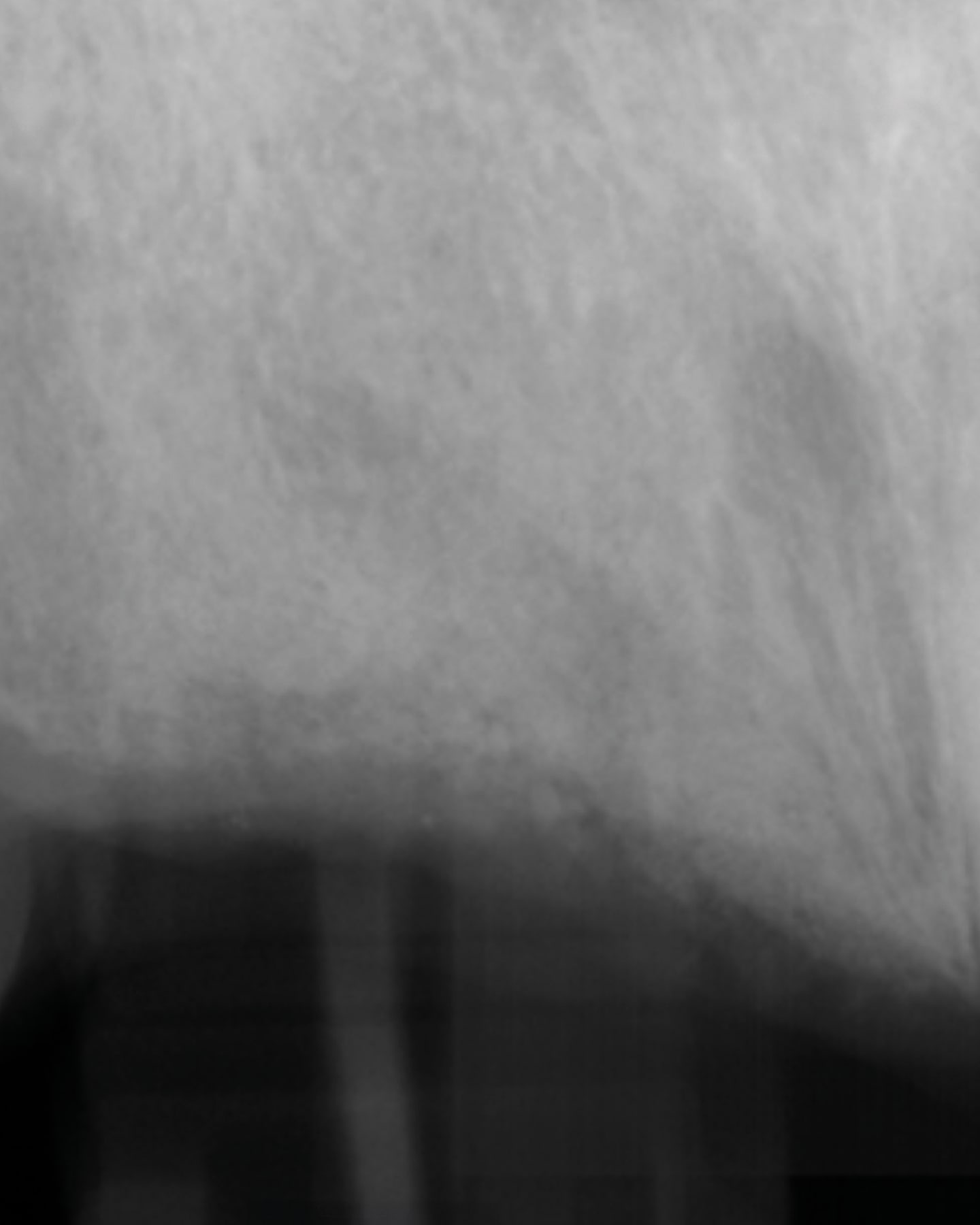
Figure 9

Figure 10

Figure 11

Figure 12

Figure 13

GREGORI M. KURTZMAN, DDS
ROBERT A. HOROWITZ, DDS

CHARLIE DECKER, BS
