What if dentistry could identify disease earlier, understand an individual patient’s risks more precisely, and intervene before more extensive treatment became necessary? What if rapidly advancing imaging and artificial intelligence (AI) could give clinicians better information while allowing them to provide care that is more—not less—personalized? And what if the same technologies could strengthen the connections among dentists, specialists, hygienists, and dental technicians rather than diminishing the importance of their expertise?
These possibilities are beginning to move from the theoretical to the practical. Across dentistry, advances in diagnostics, imaging, AI, digital workflows, and biologically oriented therapies are creating new opportunities for clinicians. At the same time, evolving professional roles and new approaches to collaboration are expanding ideas about how and where care can be delivered. Those opportunities are unfolding as practices also navigate workforce shortages, rising costs, reimbursement pressures, and the need for greater operational efficiency.
The trends shaping dentistry as the profession approaches 2027 are therefore about more than what is new. They invite a larger question: How can dental professionals use what is becoming possible to provide even better care?
Seeing Disease Earlier
For Lou Graham, DDS, a clinician who has spent more than 35 years in practice and is founder of Catapult Education, one answer begins with diagnosis. Graham sees dentistry entering an era of more predictive and preventive care. Traditional diagnostic methods remain indispensable, but emerging approaches may allow clinicians to identify risk and biological changes earlier, creating opportunities to act before disease requires more extensive treatment.
“Better diagnostics allow us to intervene earlier, which can lead to more conservative, preventive, or minimally invasive therapies,” Graham says.
The shift is significant because it changes the clinical conversation. Rather than focusing only on what disease is present today, Graham says, clinicians may increasingly be able to consider what a patient’s individual risk profile suggests about tomorrow. Graham expects genetic testing to become a greater part of risk assessment, particularly for caries and periodontal disease. He is especially interested in the possibilities of salivary testing, which could provide another means of evaluating risk and monitoring aspects of oral and systemic health.
The implications extend to treatment. Better diagnostics can help clinicians determine not only whether to intervene but when and how aggressively to do so. Graham points to emerging therapies and technologies that support minimally invasive dentistry as examples of innovation directed toward preserving healthy tooth structure whenever possible.
That movement toward more individualized care is also visible in the specialties. Allen Ali Nasseh, DDS, MMSc, an endodontist and educator at Harvard School of Dental Medicine, sees advanced imaging providing clinicians with an increasingly detailed understanding of the patient. CBCT already enables endodontists to evaluate complex anatomy, resorption, fractures, untreated canals, and relationships between lesions and surrounding structures that may be difficult to appreciate using conventional imaging alone, Nasseh says.
Future developments could extend those capabilities. Nasseh anticipates continued improvements in higher-resolution, lower-dose CBCT as well as advances involving technologies such as dental magnetic resonance imaging and optical coherence tomography.
“In endodontics, many of the most meaningful advances will come from seeing previously inaccessible anatomy and pathology more clearly—and then using that information to make treatment more predictable, conservative, and biologically sound,” Nasseh says.
The opportunity becomes even more intriguing when better visualization is combined with AI, clinical history, and other patient information. Nasseh says bringing these sources of information together may ultimately support greater precision and personalization in treatment planning. But more information is useful only if clinicians know what to do with it.
Smarter Technology, Thoughtfully Applied
Nasseh identifies digital integration and AI as two of the most significant forces shaping dentistry, with potential applications spanning imaging, education, decision support, communication, research, innovation, and practice management. He is enthusiastic about the possibilities, but not indiscriminately so. “We should not be afraid of AI, but neither should we accept every product labeled ‘AI’ uncritically,” Nasseh says.
As AI becomes incorporated into more products and systems, clinicians will need to evaluate accuracy, bias, privacy, cybersecurity, accountability, and clinical validation. A technology’s novelty—or the presence of an AI label—is not in itself a reason to incorporate it into patient care, Nasseh says
Graham reaches a similar conclusion from his work evaluating dental products. He encourages clinicians to examine whether studies supporting new products and technologies are independent and unbiased and then determine whether an innovation offers a meaningful benefit to patients and fits the practice’s philosophy of care.
That combination of enthusiasm and discernment may be particularly important because AI is no longer a hypothetical technology in dental practice. According to the American Dental Association Health Policy Institute (ADA HPI), 43.3% of dentists surveyed in the second quarter of 2026 reported currently using AI for at least one practice function. The survey also found that 26.4% did not currently use AI but planned to, whereas 30.3% did not use AI and did not plan to.1
What dentists are choosing to do with AI may be even more revealing. Imaging and diagnostics was the most common current application, reported by 22.8% of dentists, followed by insurance verification at 13.6%. AI is also being used for charting and note taking, billing and claims, practice analytics, patient education, scheduling, and other functions. Yet approximately four out of five dentists expressed no interest in using AI for treatment recommendations.1
The distinction is important. Dentists appear increasingly willing to use AI to provide information or improve processes while remaining far more skeptical about utilizing the technology for clinical functions and diagnosis.
For Daniel Alter, MSc, MDT, CDT, a professor of restorative dentistry at New York City College of Technology (CUNY), executive editor of Inside Dental Technology, and former dental laboratory owner, that human expertise becomes more valuable as technology advances.
Digitization and zirconia have already transformed laboratory workflows, Alter says, and AI and automation are continuing that evolution. A shortage of skilled technicians is accelerating the adoption of automated processes, but Alter does not see technology eliminating the need for laboratory expertise. Instead, he says, knowledgeable technicians are needed to understand how to apply these tools appropriately and recognize their limitations.
The same technology can also change how dentists and technicians work together.
“Technology does not replace the partnership, it makes a genuine partnership possible,” Alter says.
Digital workflows can allow clinical and laboratory professionals to share information more readily, evaluate cases together, and make restorative decisions with access to the same data. Better communication can reduce remakes and improve predictability, but Alter’s larger point is about the relationship itself. Technology can bring the dentist and technician closer to functioning as a restorative team with the patient at its center, he says.
Putting the Team Around the Patient
That idea of organizing expertise around the patient extends beyond the relationship between dentists and laboratories. Jessica August, MSDH, RDH, CDA, FADHA, the 100th president of the American Dental Hygienists’ Association and assistant dean of Allied Dental Education Programs at Yakima Valley College, sees an expanding role for dental hygienists in prevention, risk assessment, patient education, care coordination, and health promotion. “Prevention is healthcare,” August says.
It is a concise statement with potentially far-reaching implications. As understanding of oral-systemic health continues to develop, prevention can be viewed not simply as a category of dental services but as part of a broader approach to maintaining health. For August, dental hygienists are well positioned to contribute to that approach because of their education in prevention and their continuing relationships with patients.
August says that dentistry can make better use of the education, training, and expertise of every member of the team. Rather than beginning with traditional professional boundaries, care can begin with the needs of the individual patient, she says.
“What does this patient need, and how can our team work together to deliver the right care, from the right professional, at the right time?” August says.
That question has relevance within the dental practice, but it can extend beyond its walls as well. Community-based care, teledentistry, medical-dental integration, and evolving scopes of practice offer additional possibilities for bringing preventive services to patients and connecting oral health more closely with overall healthcare, August says.
Nasseh also sees opportunities for stronger connections among providers. Better digital communication and secure access to patient histories, radiographs, CBCT scans, clinical notes, photographs, medications, and professional correspondence can help general dentists and specialists work from a more complete picture of the patient, he says.
In some circumstances, digital communication may even allow clinicians to consult one another during treatment planning or while a procedure is underway, Nasseh says. Instead of information residing in separate offices and systems, a more connected approach could allow knowledge to follow the patient, he says.
The same principle runs through Alter’s vision of the dentist-technician relationship: information becomes most valuable when the professionals who need it can use it together.
These developments suggest that the future of dental care may not be defined solely by increasingly capable individual clinicians or increasingly sophisticated individual technologies. It may also depend on how effectively expertise and information can be connected around the patient.
Building a Practice for What Comes Next
Of course, exciting clinical possibilities still have to function in the real world of a dental practice. For Roger Levin, DDS, founder and CEO of Levin Group, that world is changing rapidly. He identifies three forces that are having particularly significant effects on practices: the growth of dental service organizations, flat or declining insurance reimbursement, and a persistent shortage of dental team members. “The staffing shortage is more a crisis than a trend,” Levin says.
The numbers help explain his concern. In the second quarter of 2026, 36.8% of dentists surveyed by the ADA HPI reported recruiting dental hygienists during the previous 3 months. Among those who were recruiting, 87.7% said that doing so was very or extremely challenging. That level of difficulty has remained close to 90% for approximately 2 years.1
August says solving the hygiene workforce problem requires looking beyond recruitment. “We cannot recruit our way out of a retention problem,” she says. Compensation is important, but August also points to respect, clinical autonomy, flexibility, professional growth, and workplace culture. Practices that want to retain hygienists, she says, should consider opportunities for continuing education, leadership, advancement, and participation in conversations about patient care and practice development.
Levin places considerable emphasis on workplace culture and leadership. Practices can improve retention by creating environments in which team members feel recognized, appreciated, motivated, and fulfilled. Yet leadership and management skills are not typically central to dental education, leaving many dentists to acquire those skills while simultaneously running a practice and providing patient care.
The economic environment adds another layer of pressure. From January 2021 through the second quarter of 2026, according to the ADA HPI, prices for dental equipment and supplies increased 23%, and hourly earnings for dental office staff also increased 23%. Also since 2021, accordig to the report, average reimbursement across payer types increased 19%, while overall inflation was 27%.1
Those conditions make efficiency increasingly important, but Levin does not equate efficiency with simply increasing patient volume. He argues that practices eventually reach a point at which their existing operational systems limit further growth.
“Too many dentists simply try to shove more patients into the old funnel in order to increase revenue, but there is a point where there is a physical limit,” Levin says.
Instead, Levin says, practices may need better systems, stronger management, and technologies that allow them to operate more effectively.
Some of that investment is already occurring. By the second quarter of 2026, according to the ADA HPI, 17.5% of dentists reported investing in new software during the year, slightly more than the 16.9% who had indicated at the end of 2025 that they intended to make such an investment in 2026.1
Levin sees opportunities in automated patient communication, online scheduling, electronic claims, AI-assisted phone systems, patient financing, and other technologies that can reduce administrative burdens. Yet realizing the promise of these systems may prove more complicated than simply adopting them.
“At this stage of adoption, the technology companies are doing a great job of demonstrating the potential of something new, but they do not spend sufficient time explaining to dentists and teams how to integrate the technology into the full practice workflow to create higher levels of efficiency,” Levin says.
The business challenge facing dentistry is therefore not separate from the clinical possibilities shaping its future. Practices need the people, systems, leadership, and financial sustainability necessary to turn those possibilities into everyday patient care.
Looking Toward 2027
The future described by these five experts is not one in which technology displaces clinicians or efficiency replaces relationships. If anything, their perspectives suggest the opposite.
Better diagnostics may allow clinicians to understand risk earlier and intervene more conservatively. Advanced imaging and AI may provide more information, but professional judgment will determine how that information is used. Digital workflows can automate processes while also creating closer collaboration among dentists, specialists, hygienists, and technicians. Expanded professional roles can help practices place the right expertise around each patient. And stronger systems and leadership can help dental teams devote their abilities where they matter most.
There will be obstacles. Workforce shortages, reimbursement pressures, rising costs, questions about AI, and the challenge of evaluating an accelerating stream of innovations are unlikely to disappear. But those challenges are only part of the story.
Dentistry is also gaining new ways to see, understand, communicate, collaborate, prevent, and treat. As dentistry continues to evolve, the challenge is to distinguish meaningful progress from change for its own sake—and embrace the advances that can improve patient care.
References
1. American Dental Association Health Policy Institute. The State of the U.S. Dental Economy: 2nd Quarter 2026 Update. American Dental Association; 2026. Accessed October 7, 2026. www.ada.org/-/media/project/ada-organization/ada/ada-org/files/resources/research/hpi/state_us_dental_economy_q22026.pdf.
Figures and Images


"One of the most promising trends is the development of better communication and information-sharing among members of the dental care team.”
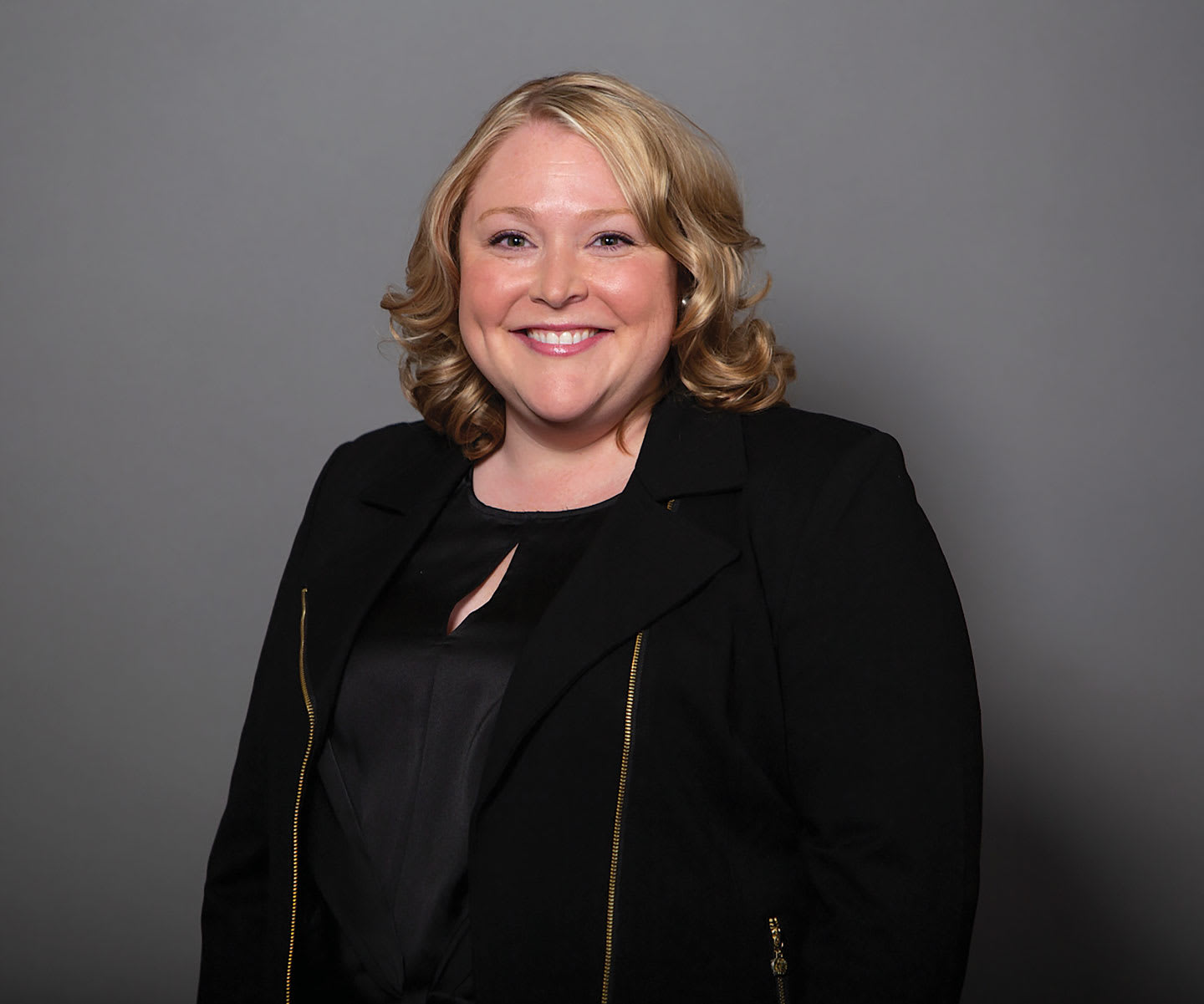
"Practices that are positioned for the future will create environments where dental hygienists are active participants in patient care and practice development.”



"Better diagnostics allow us to intervene earlier, which can lead to more conservative, preventive, or minimally invasive therapies.”
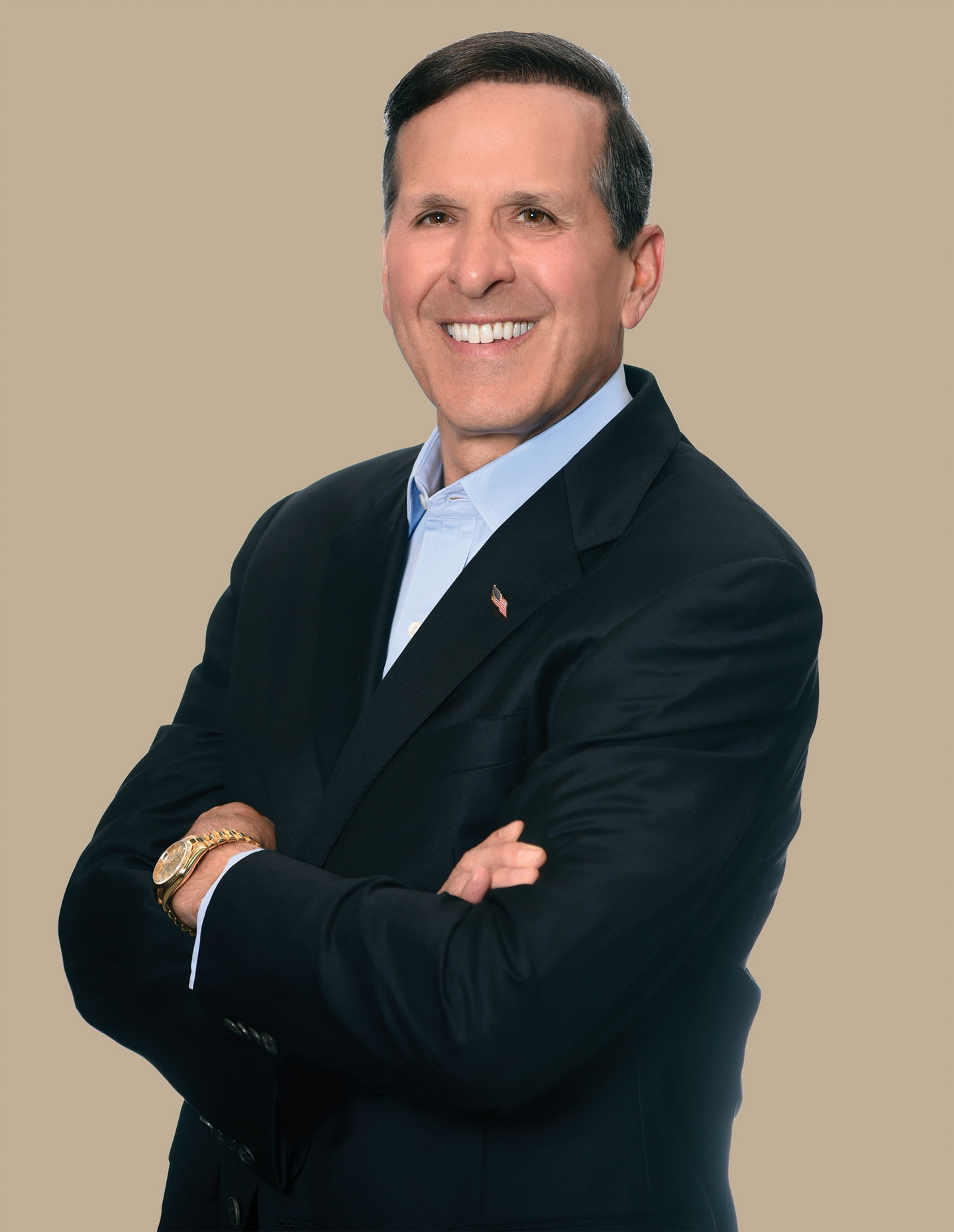
"We are reaching an inflection point for many dental practices where they will not be able to increase revenue without adopting technology-driven practice operational systems.”

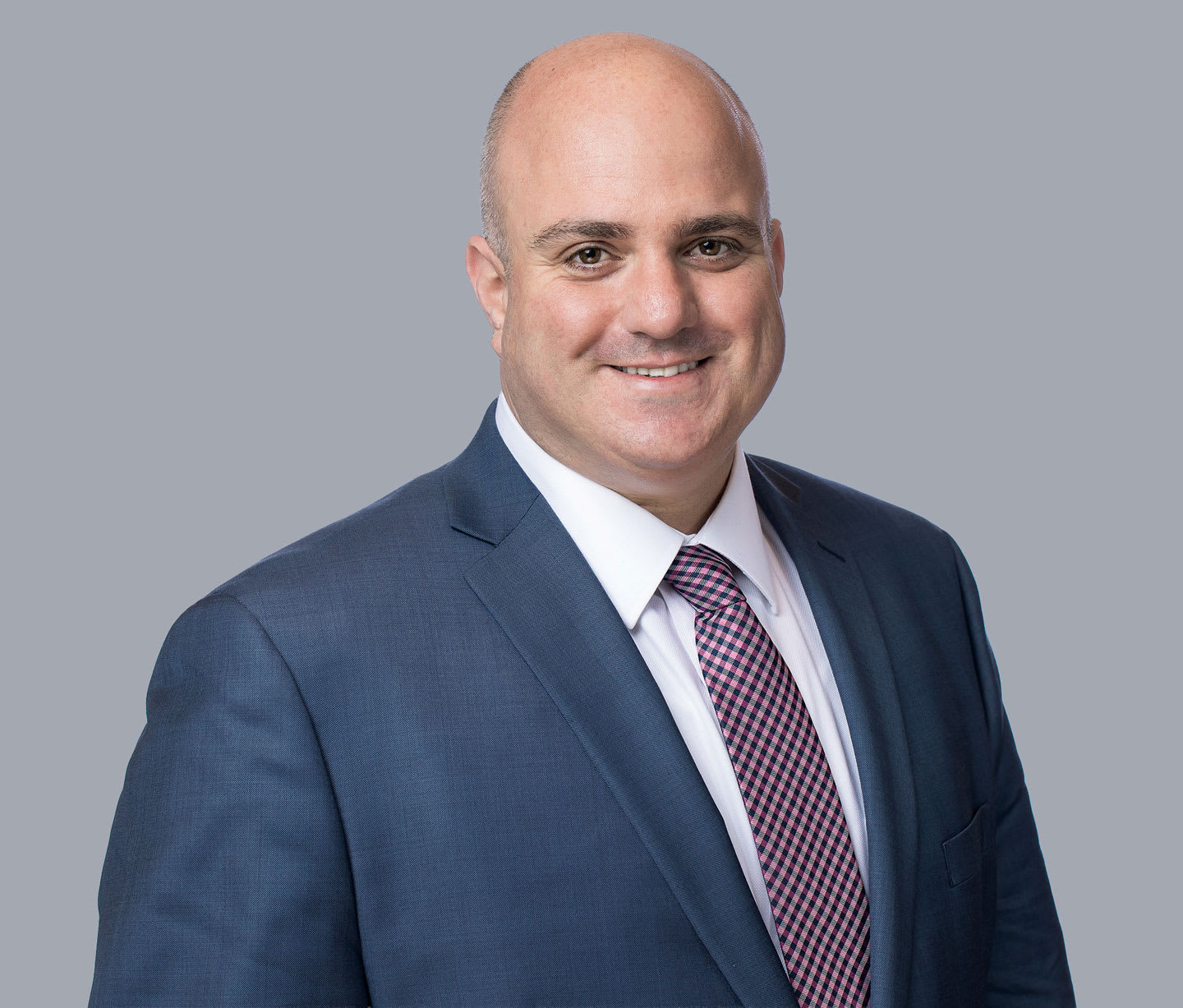
"Digitization and zirconia have transformed the laboratory landscape more than any developments in recent memory.”
